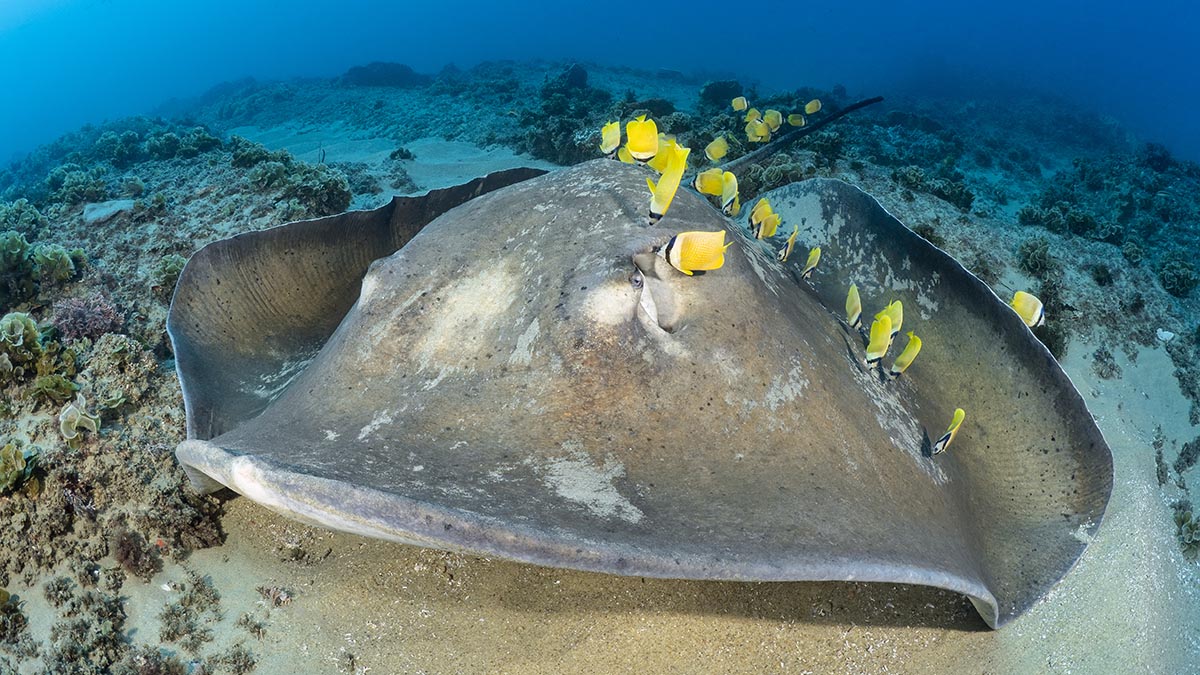
Zanzibar, jewel of the Indian Ocean, is much more than just a holiday destination. This Tanzanian island, rich in history and culture, offers breathtaking landscapes, white sandy beaches, and preserved coral reefs. Scuba diving is booming here, allowing divers to discover exceptional marine biodiversity.
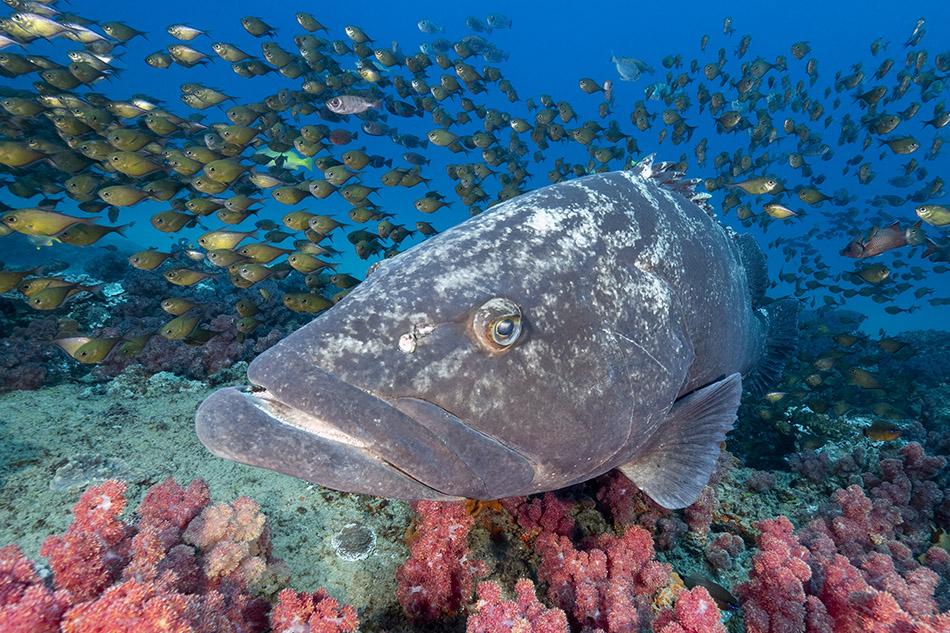
1. Discover more than thirty spots
In the north of Zanzibar, the Mnemba atoll is teeming with dive sites, with about twenty spots to explore. The south, on the other hand, is home to still virgin reefs, perfect for those seeking tranquility and isolation.
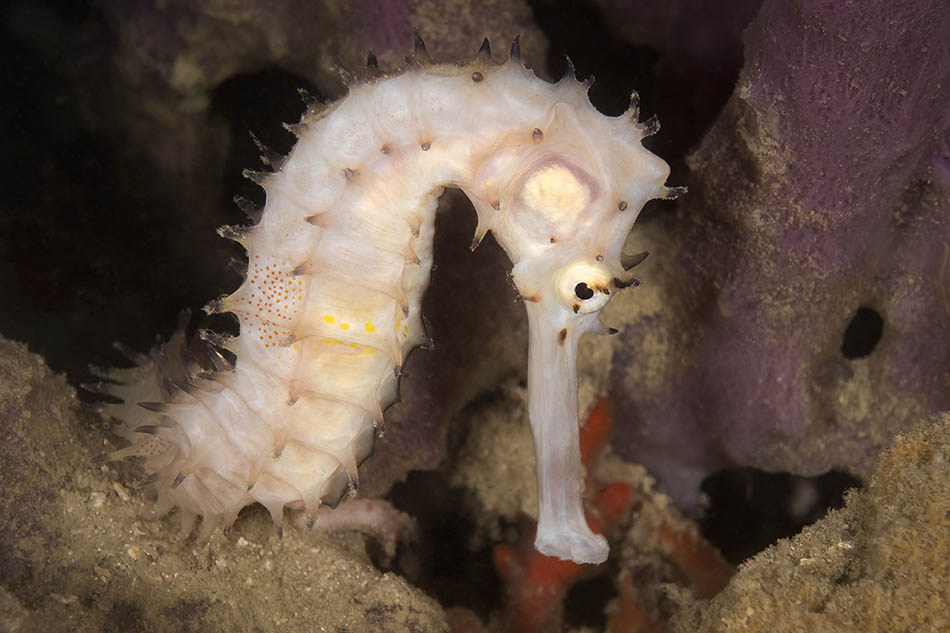
2. Enjoy spectacular drift dives
Experienced divers will appreciate the island’s spectacular drift dives, where currents can be strong. Among the must-see spots are:
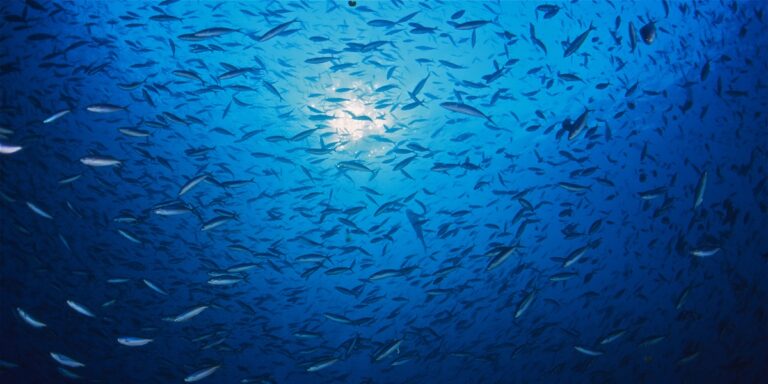
- Wattaboni Channel: known for its dense schools of fish.
- Small Wall: where rays and Napoleon wrasses can be admired.
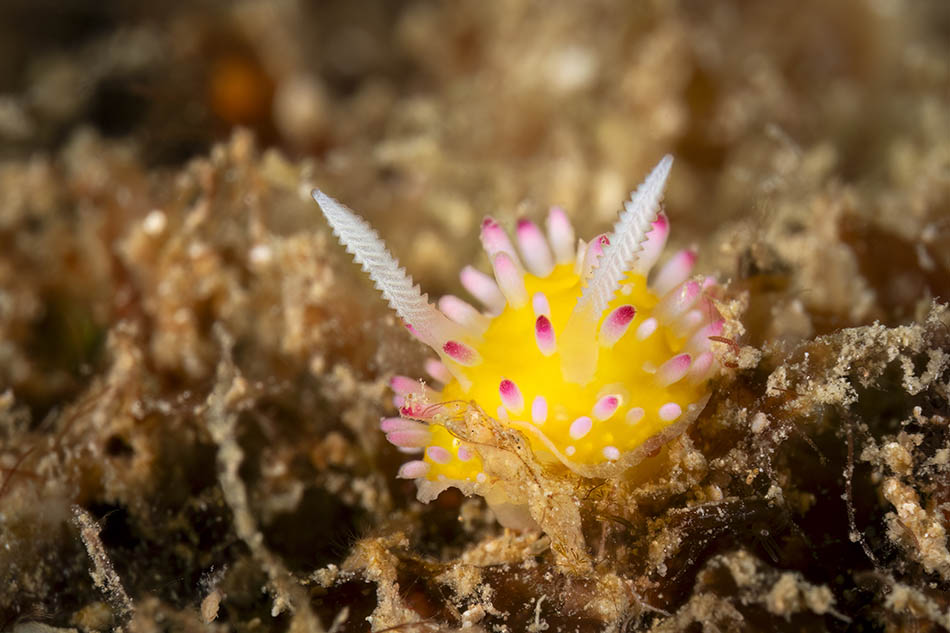
- Kokota: famous for its nudibranchs and octopuses.
3. Enjoy shallow coral gardens
For those who prefer calmer dives, Zanzibar offers sheltered reefs. The site of Kichafi, to the east of the island, is ideal for observing coral fauna, as well as groupers and green turtles.
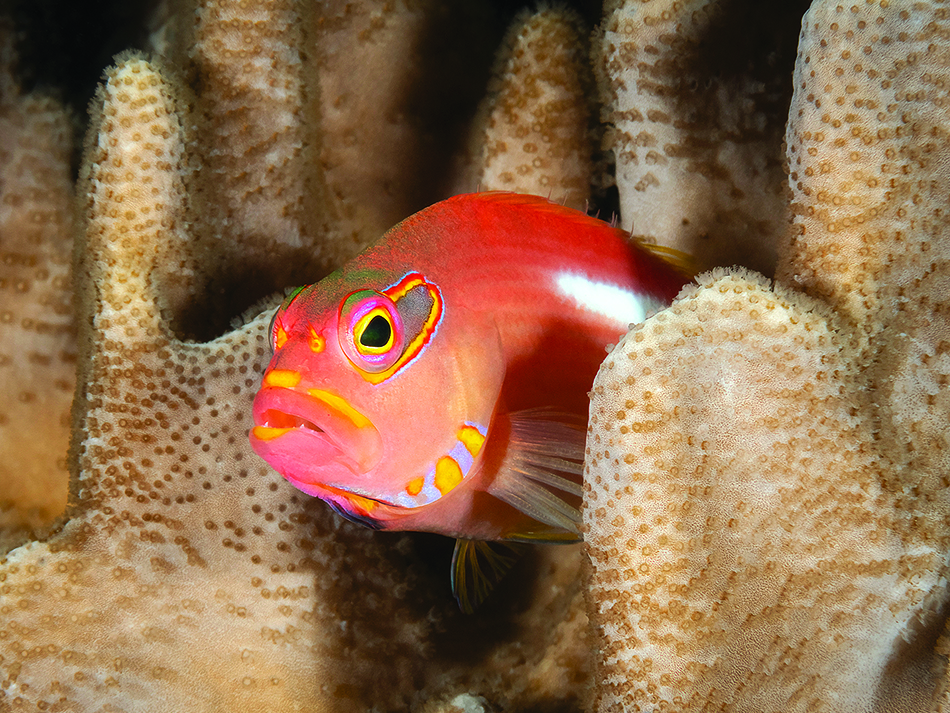
4. Admire the corals of Kichwani
To the south of the Mnemba atoll, Kichwani is a must-see site for coral enthusiasts. Brain coral and staghorn coral can be found here, surrounded by a variety of fauna. Photographers will be delighted, especially since it’s not uncommon to encounter mantas.
5. Marvel at the underwater architecture
The underwater architecture of certain sites, like Big Wall and Dolphin Wall, attracts many divers. At Big Wall, the caves are home to tuna and jacks, while at Dolphin Wall, the rocky bars are populated by barracudas and rays.
6. See hammerheads at Hammerhead
The Hammerhead site, in the south of the island, is renowned for its impressive marine biodiversity. Eagle rays, blacktip sharks, and moray eels are regularly encountered here. From November to the end of March, hammerhead sharks also make their appearance.
7. Dive with sea turtles
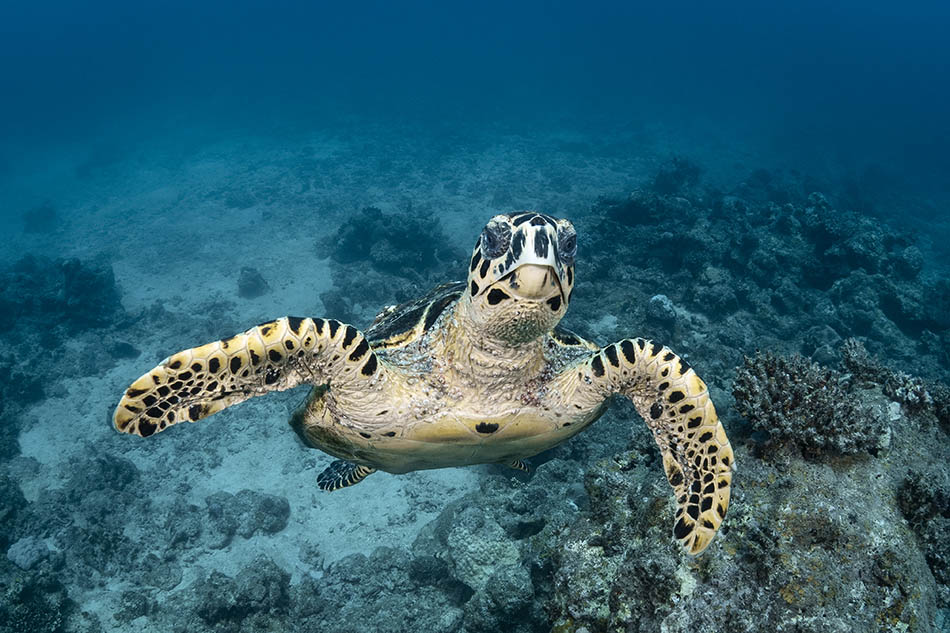
Zanzibar is a haven for sea turtles, especially green and hawksbill turtles. They are often visible while diving and snorkeling, especially around Mnemba. The Mnarani Marine Turtle Conservation Pond works for their preservation and raises public awareness of their protection.
8. Encounter cetaceans
Dolphins are omnipresent in the waters of Zanzibar. Divers can spot them, especially at the Dolphin Wall site. It is advisable to avoid tourist excursions that put excessive pressure on these animals.
9. Enjoy a postcard landscape
The beaches of Zanzibar, with their pristine sand and turquoise waters, create an idyllic setting. Inland, the local fauna, such as red colobus monkeys and butterflies, enriches the experience.
10. Take the spice route
Zanzibar, once a crossroads of the spice trade, invites a sensory exploration. Cloves, cinnamon, and pepper are to be discovered inland. Don’t miss strolling through Stone Town, the old historic district of Zanzibar City, and consider a safari in Tanzania to extend your adventure.
Practical Information
- Time difference: +2 hours in winter and +1 hour in summer
- Currency: Tanzanian shilling (TSh)
- Water temperature: annual average of 27 °C
- Entry requirements: passport valid for 6 months after return and Tanzanian visa (available on arrival)
- Best diving season: November to March
- Equipment: 3 mm wetsuit recommended
- Diving level: accessible to all levels depending on the sites
- Health: universal vaccines, hepatitis A and B, yellow fever recommended, antimalarial treatment advised.
Zanzibar is a must-visit diving destination, combining natural beauty and marine richness. Whether you are a novice or experienced diver, the spice island will charm you.
This article, initially written by Isabelle Croizeau for our print edition, has been adapted for the web.
Photos: Fabrice Dudenhofer